


Related Posts:



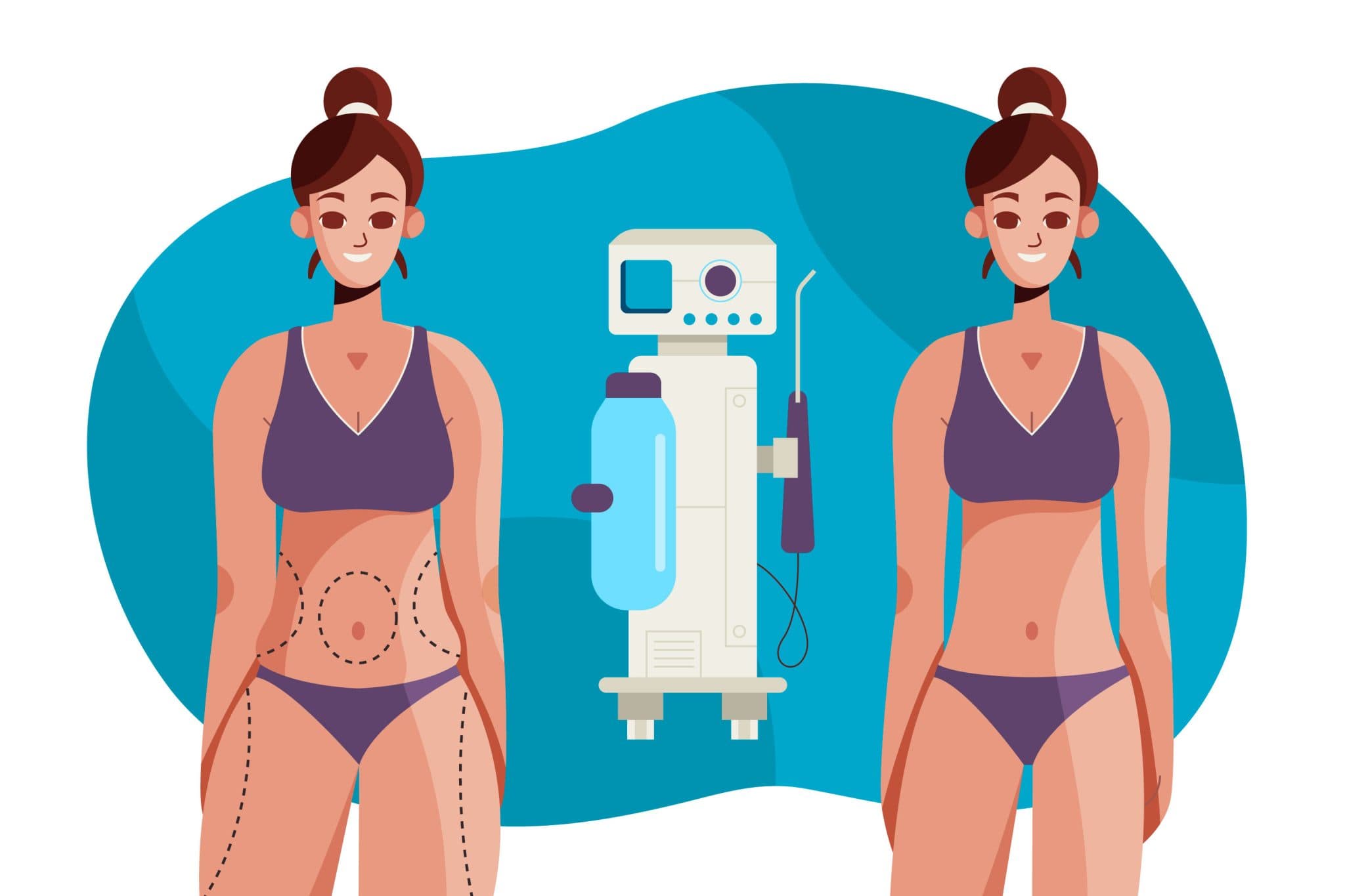
We always hear the same formula: 'eat less, move more.' While this is the foundation of health, for many patients with excess body weight, it simply isn't enough. Obesity is not just a matter of willpower, but a complex metabolic disease.
At Priska Med Polyclinic, we understand the biology of obesity. Therefore, our Obesity Clinic offers not only dietary plans but a comprehensive medical approach that includes endocrinological assessment, advanced body composition analysis, and, if necessary, the introduction of modern pharmacological therapy.
Why do kilograms accumulate?
Understanding obesity starts with understanding energy. The foundation of everything is basal metabolism, which is the energy your body uses at rest solely to maintain vital functions such as breathing, heart function, and body temperature.
When we consume more energy through food than the body can spend through basal metabolism and movement, we enter a state of caloric surplus. The body does not discard this excess; instead, it efficiently stores it in fat cells as reserves. Physical activity helps here by increasing expenditure and allowing for the creation of caloric deficit, which is essential for the body to start using its own reserves.
However, human metabolism is far more complex than simple mathematics of intake and expenditure. Genetics, stress, and hormonal status often dictate the pace at which the body expends energy or stores fat. Therefore, for many patients, relying solely on willpower does not yield long-term results without professional medical diagnostics to uncover the real cause of the problem.
The dangers of excess body weight
Although obesity is often perceived primarily through visual impressions, it is at its core a state of chronic inflammation that gradually depletes almost every organ system. The most serious consequences are evident on cardiovascular health. A heart under greater strain and high blood pressure dramatically increase the risk of coronary diseases and stroke, which remain the leading cause of mortality in Croatia.

Metabolic changes often come silently. Type 2 diabetes is closely linked with the accumulation of fat tissue and can lead to irreversible damage to the kidneys, vision, and nerves. At the same time, the mechanical pressure from excess weight rapidly depletes joint cartilage, leading to osteoarthritis and decreased mobility, while pressure on the respiratory system during the night causes sleep apnea – a dangerous disorder that robs the body of oxygen and necessary rest.
Less known, but equally important, is that fat tissue acts as an active endocrine organ that secretes hormones and pro-inflammatory substances. This process is associated with an increased risk of developing certain types of cancer, including colorectal, breast, and kidney cancer. Therefore, treating obesity is not a matter of aesthetics but a necessary prevention of the most severe chronic diseases.
A comprehensive medical approach to treating obesity
At Priska Med Polyclinic, we do not view obesity as an aesthetic deficiency but as a complex health condition that requires the coordination of multiple specialists. That's why our Obesity Clinic combines knowledge from internal medicine, nutrition, physical medicine, and pharmacology in one place. Instead of isolated diet attempts, we offer patients a structured pathway through key phases of treatment.
Endocrinological assessment: Seeking causes, not just treating consequences
Every successful treatment begins with precise diagnostics. Before any dietary plan, it is essential to determine if there are metabolic barriers that have sabotaged your progress so far. Our team of specialists, led by a specialist in endocrinology and diabetology, conducts detailed assessments to exclude or confirm thyroid disorders, insulin resistance, polycystic ovary syndrome, or adrenal gland disorders. Only when we have a clear picture of your hormonal status, can we create a therapy that will be effective.
Clinical nutrition and InBody analysis
Forget about universal meal plans printed from the internet. Our approach to nutrition is based on data obtained through medical body composition analysis using the device InBody 770. This technology allows us to see the exact ratio of muscle mass, subcutaneous fat, visceral fat, and water in the body.
Based on these parameters, our nutritionists develop an individualized nutrition plan that aims not at starvation, but at metabolic support to the body. The focus is on sustainable fat loss with maximum preservation of muscle mass, which is crucial for maintaining metabolic rate and preventing weight regain.
Medical gymnastics and pilates
One of the biggest mistakes that overweight individuals make is suddenly engaging in intensive training like running, which often leads to injuries of the knees, hips, and spine. Within our Department of Physical Medicine and Rehabilitation, we approach exercise from the perspective of safety of the locomotor system.
Under the supervision of experienced instructors and physiotherapists, we conduct programs of medical gymnastics and pilates tailored to your current capabilities. The goal of these guided groups is to activate muscles and increase energy expenditure without the risk of joint injuries that are already under stress from higher body weight.
Pharmacological support: When biology needs help
Science has made tremendous strides in the treatment of obesity in recent years with the development of a new generation of drugs known as GLP-1 receptor agonists. These medications are not a substitute for healthy habits, but are a powerful tool that helps patients overcome biological barriers such as constant feelings of hunger and 'food addiction' in the brain.
If indicated, our doctors can introduce pharmacological therapy as support for the weight loss process. These drugs act on the regulation of the satiety center in the brain and slow digestion, facilitating adherence to the nutritional plan.

Psychological support: Understanding the relationship with food
Weight loss is not just a physical process but often a mental challenge. Overweight can be a symptom of negative behavioral patterns, such as emotional eating, using food as comfort in stressful situations, or as a reward after a hard day. Without addressing these 'internal triggers', pounds often return as soon as the diet ends.
In our team, mental health experts (psychologists and psychiatrists) provide you with a safe space to work on changing behavioral patterns. Through counseling, you learn to recognize the real causes of hunger, develop healthier coping mechanisms for stress, and build a positive relationship with your own body. The goal is not just to change the number on the scale but also the way you think about food and yourself.
Stop fighting alone and leave the care to the experts
Treating obesity is not a sprint but a marathon where the support of a professional team is often a crucial success factor. At Priska Med Polyclinic, we do not offer you short-term diets but a medically-based system that understands the biology of your body and respects your individual needs. Whether you need only dietary correction, psychological support, or advanced pharmacological therapy, our experience and technology are at your disposal.
Obesity is a chronic disease that can be successfully treated when approached seriously and comprehensively. Don't wait for symptoms to become permanent diagnoses. Take the first step towards a healthier and easier future today, because your health deserves a partner who understands you.
Schedule your initial assessment at the Obesity Clinic:
📞 021 44 33 44
📩 poliklinika@priska-med.com
👉 Directly through the contact form
Authors:

Jakov Matas
dr. med. specijalizant endokrinologijeRelated Posts:
Authors: